
In a world where energy demands are skyrocketing and the planet’s health hangs in the balance, dimension renewable energy steps onto the stage like a superhero in a cape—only instead of saving the day with flashy gadgets, it harnesses the power of nature. Imagine tapping into the sun, wind, and water to fuel our lives, all while giving Mother Earth a well-deserved hug.
Overview of Dimension Renewable Energy
Dimension Renewable Energy emphasizes using natural resources for sustainable energy solutions. This approach addresses the rising energy demands and environmental challenges currently observed.
Definition and Importance
Dimension Renewable Energy refers to the comprehensive application of renewable energy sources. This includes harnessing solar, wind, and hydroelectric power for electricity generation. Its importance lies in reducing carbon emissions, combating climate change, and promoting energy independence. By utilizing renewable resources, societies can transition from fossil fuels to cleaner alternatives, leading to sustainable economic growth and environmental preservation.
Key Aspects of Dimension Renewable Energy
Key aspects of Dimension Renewable Energy include technology integration, resource efficiency, and scalability. Technological advancements enhance the efficiency of solar panels and wind turbines, making energy generation more cost-effective. Resource efficiency ensures optimal use of available energy sources, reducing waste. Additionally, scalability allows solutions to be adapted for different applications, ranging from residential to industrial use. These elements collectively support the transition to a more sustainable energy future.
Types of Dimension Renewable Energy
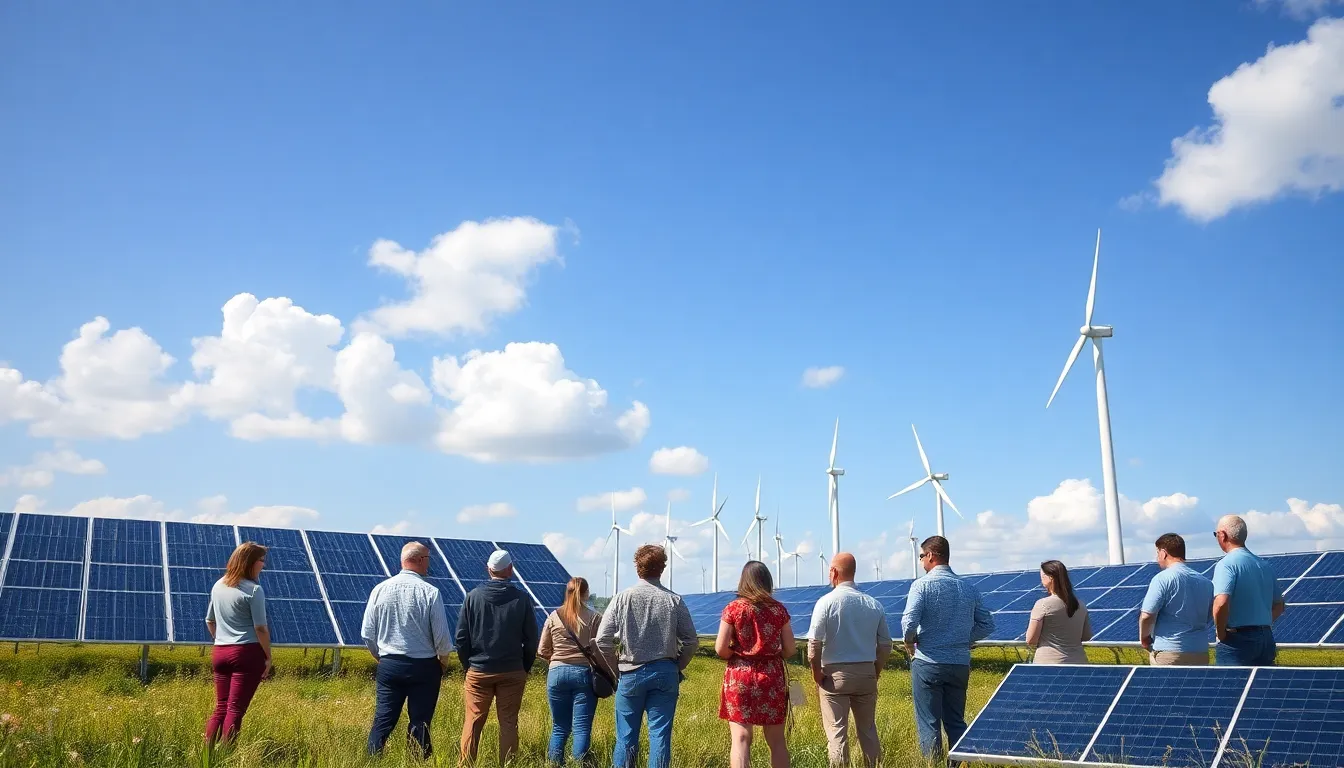
Dimension Renewable Energy encompasses various renewable energy forms that contribute to sustainable energy solutions. Key types include solar energy, wind energy, hydropower, and biomass energy.
Solar Energy
Solar energy captures sunlight through photovoltaic cells, converting it into electricity. In 2022, the U.S. solar market reached over 20% growth compared to the previous year. This energy source provides clean power for homes and businesses, reducing dependency on fossil fuels. Solar panels can be installed on rooftops or in large solar farms, allowing flexible implementation. Many regions benefit significantly from net metering, which incentivizes solar adoption by crediting users for excess energy generated.
Wind Energy
Wind energy utilizes turbines to harness wind power for electricity generation. The U.S. operated over 135,000 megawatts of wind capacity as of 2023, making it a leading source of renewable energy. Offshore and onshore installations benefit from consistent wind patterns, optimizing energy production. Various states have implemented supportive policies that encourage wind farm development. Wind energy contributes to job creation, offering numerous opportunities in installation, operation, and maintenance.
Hydropower
Hydropower generates electricity by channeling flowing water through turbines. In 2022, hydropower accounted for about 31% of renewable electricity generation in the U.S. This energy type often relies on large dams or run-of-the-river systems to maximize efficiency. Hydropower facilities provide reliable baseload power, balancing intermittent sources like solar and wind. Environmental considerations focus on fish populations and river ecosystems, prompting innovations such as fish ladders to maintain ecological integrity.
Biomass Energy
Biomass energy converts organic materials into usable energy, making it a versatile renewable resource. Various feedstocks, such as agricultural residues, wood pellets, and municipal waste, serve as inputs for biomass conversion technologies. It supplies approximately 5% of the U.S. energy consumption as of 2023. Biomass can produce electricity, heat, and biofuels, promoting waste reduction while supporting energy independence. Its potential for carbon neutrality depends on sustainable sourcing and usage practices, aligning with overall environmental goals.
Benefits of Dimension Renewable Energy
Dimension Renewable Energy provides various significant advantages for the environment, economy, and energy security.
Environmental Impact
Reducing carbon emissions occurs with the adoption of renewable energy sources. Maintaining cleaner air quality results from less reliance on fossil fuels. Utilizing sustainable resources decreases environmental degradation. Improved biodiversity is achievable through careful resource management. Correspondingly, renewable energy mitigates climate change effects, promoting a healthier planet for future generations.
Economic Advantages
Cost savings emerge when using renewable energy technologies. Job creation follows as new industries develop and expand in the renewable sector. Energy independence becomes a reality, reducing reliance on imported fuels. Consumer savings increase with lower energy prices from renewable sources. Additionally, long-term investments in renewable energy infrastructure yield substantial economic returns.
Energy Security
Enhancing energy security strengthens the resilience of power systems. Diversifying energy sources reduces vulnerabilities tied to fossil fuel markets. Local energy generation helps stabilize power supply and lowers transportation-related risks. Renewable energy resources contribute to grid stability, buffering against outages. Ultimately, a reliable energy mix fosters greater national security.
Challenges in Dimension Renewable Energy
Dimension Renewable Energy faces several challenges that hinder its growth and efficiency. Key obstacles often include technological limitations and complex regulatory environments.
Technological Barriers
Technological barriers present a significant challenge for Dimension Renewable Energy. Limited efficiency and high costs associated with existing renewable technologies restrict their wide adoption. Innovations in energy storage, grid integration, and smart technologies are necessary for addressing these barriers. Additionally, varying performance levels among different renewable sources complicate energy consistency. Insufficient investment in research and development can stall progress, leaving potential improvements unexploited. Addressing these barriers requires collaboration between industry stakeholders and governments to accelerate advancements.
Policy and Regulation Issues
Policy and regulation issues also pose challenges for Dimension Renewable Energy. Inconsistent policies create uncertainty for investors, impacting project financing and development timelines. Renewable portfolio standards and incentives vary across states, leading to disparities in project viability. Furthermore, cumbersome permitting processes can delay project implementation. Changes in government administration often shift priorities, affecting long-term planning for renewable projects. Effective and stable policy frameworks are essential to foster growth in renewable energy sectors, ensuring a conducive environment for innovation and investment.
Future Trends in Dimension Renewable Energy
Dimension Renewable Energy is evolving rapidly, driven by technological advancements and shifts in global energy policies. Trends such as innovation in renewable technologies and changing adoption patterns indicate a promising future.
Innovations and Research
Innovations focus on enhancing efficiency and decreasing costs across renewable technologies. Breakthroughs in energy storage, such as lithium-sulfur batteries, significantly improve capacity and longevity. Research into advanced solar panels, including bifacial designs, captures more sunlight, enhancing energy output. Furthermore, developments in offshore wind technologies create opportunities for larger scale projects, increasing renewable capacity. New software solutions also help optimize grid integration, facilitating smoother energy distribution. Collectively, these innovations propel Dimension Renewable Energy towards increased reliability and market adaptability.
Global Adoption Patterns
Global adoption of Dimension Renewable Energy varies significantly across regions. Countries like China and the United States lead in solar and wind installations, emphasizing their commitment to clean energy. The International Renewable Energy Agency reports that global renewable capacity reached over 2,800 GW by 2020, with significant annual growth. Emerging markets show increasing interest, driven by declining costs and support for sustainable development. Furthermore, international cooperation and investment enhance knowledge sharing and technology transfer, accelerating global adoption. Adaptation to local conditions will continue to shape strategies, ensuring a diversified approach to renewable energy deployment.
Dimension Renewable Energy stands as a pivotal force in shaping a sustainable future. By leveraging diverse renewable sources like solar, wind, and hydropower, it addresses pressing energy demands while promoting environmental stewardship. The benefits extend beyond just cleaner energy; they encompass economic growth, job creation, and enhanced energy security.
As the landscape evolves, overcoming technological and regulatory challenges will be essential. Continued innovation and supportive policies will play a crucial role in driving adoption. Embracing Dimension Renewable Energy not only fosters a healthier planet but also empowers societies to thrive in a rapidly changing world. The path forward is clear: transitioning to renewable energy is not just an option; it’s a necessity for a sustainable tomorrow.

