
Imagine transforming your kitchen scraps into rich, organic fertilizer without breaking a sweat. Enter the worm composting kit—your new best friend in eco-friendly living. These little wrigglers don’t just munch on your leftovers; they work their magic, turning waste into “black gold” for your garden. Who knew that a handful of worms could become the ultimate recycling superheroes?
Overview of Worm Composting Kits
Worm composting kits provide a simple solution for environmentally conscious individuals wanting to recycle organic waste. These kits typically include components like a bin, bedding material, and live worms. Red wigglers, commonly used in these kits, thrive in small spaces and efficiently break down food scraps.
Optimal conditions for worm composting depend on factors such as temperature, moisture, and ventilation. Maintaining a temperature range between 55°F and 77°F promotes worm activity. Adequate moisture keeps worms healthy; however, excess water should be avoided to prevent anaerobic conditions.
Each kit can accommodate various kitchen waste types, including fruit and vegetable scraps, coffee grounds, and paper products. Avoid adding meats, dairy products, and oily foods, as these discourage worm activity and attract pests. Regular feeding ensures a steady compost supply.
Some kits feature trays or levels that allow for easier compost collection. Users can harvest finished compost without disturbing active worms. This design aspect enhances the user experience while maximizing compost production.
Key benefits of using worm composting kits include faster decomposition and higher nutrient levels in the compost produced. The finished product enriches garden soil, improving plant health and fostering biodiversity. Additionally, using these kits reduces landfill waste, contributing to sustainable practices.
Overall, worm composting kits serve as a practical approach for those aiming to adopt eco-friendly waste management techniques. Many options are available, catering to different space requirements and budgets, enabling a broad audience to engage in sustainable living.
Benefits of Using a Worm Composting Kit
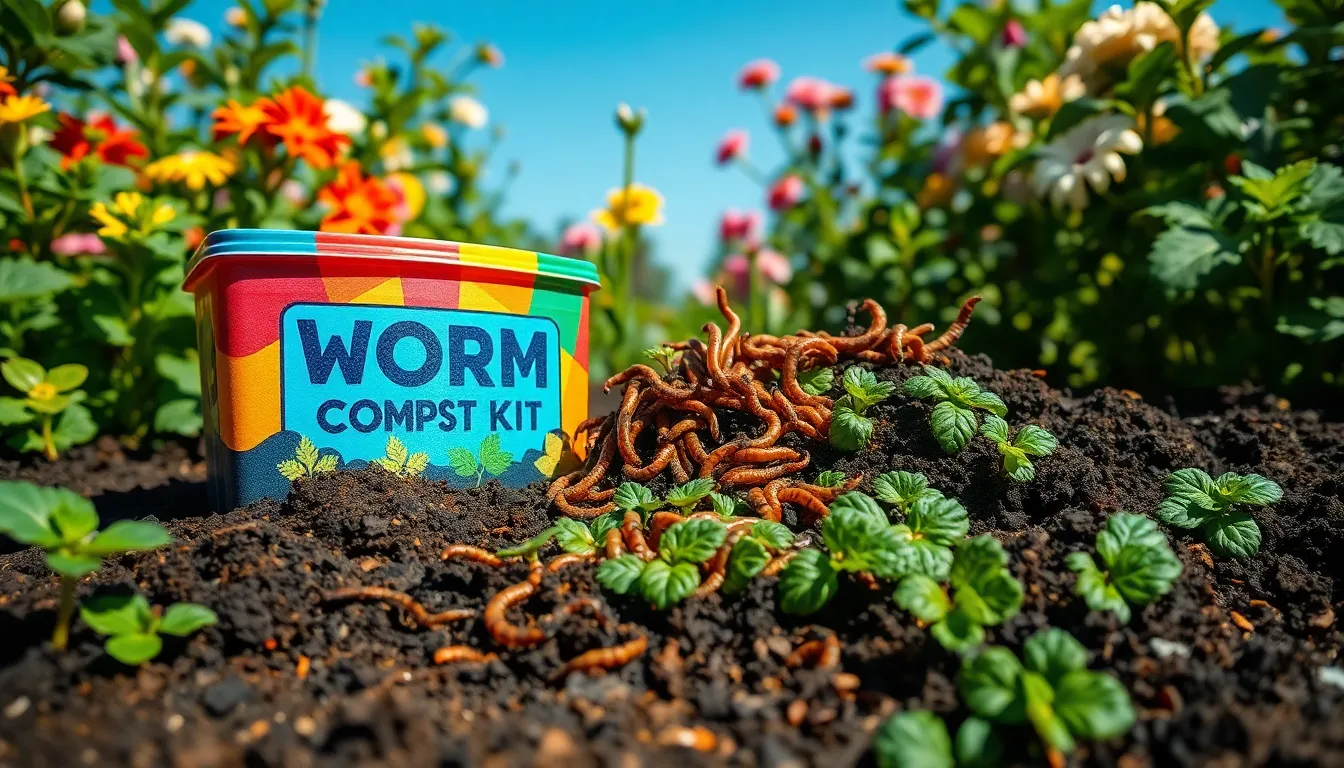
Worm composting kits offer numerous advantages, enhancing both gardening practices and environmental sustainability.
Environmental Advantages
Worm composting kits significantly reduce landfill waste. When kitchen scraps decompose in landfills, they generate methane, a potent greenhouse gas. Using a worm composting kit minimizes this impact, converting organic waste into compost instead. Additionally, these kits promote a circular economy by recycling nutrients back into the soil. Reducing chemical fertilizers’ reliance through worm compost also benefits ecosystems. The natural process of vermicomposting enriches soil health, leading to increased biodiversity in gardens.
Nutritional Benefits for Plants
Worm compost provides high nutrient levels beneficial for plants. It contains essential nutrients like nitrogen, phosphorus, and potassium in readily available forms. Plants thrive when using worm castings, which improve soil structure and moisture retention. Healthy microbial activity flourishes within worm compost, enhancing nutrient uptake in plants. Fertility increases, resulting in robust plant growth and higher yields. Organic compost acts as a slow-release fertilizer, ensuring a steady supply of nutrients over time.
Choosing the Right Worm Composting Kit
Selecting an appropriate worm composting kit enhances the effectiveness of composting. Several factors contribute to making the best choice.
Size and Capacity Considerations
Consider the amount of kitchen scraps produced weekly when choosing a kit. Smaller households may benefit from compact bins, while larger families might require models with greater capacity. Capacity varies significantly among kits, ranging from 5 gallons to over 20 gallons. A larger bin supports more worms and waste without overcrowding, resulting in efficient compost production. Evaluate available space at home to ensure the kit fits comfortably. Compact designs suit limited areas, while spacious models work for gardens or backyards.
Features to Look For
Look for features that simplify the composting process. Some kits include a built-in drainage system to remove excess moisture. Airflow design is crucial to promote worm health and efficient decomposition. Ensure the kit has a lid that prevents pests while providing ventilation. Many models also incorporate easy-access trays, allowing for hassle-free compost collection without disturbing worms. Adding features like instructional guides can enhance user experience, making the process more accessible to beginners. Superior kits offer durable construction to amplify longevity, ensuring an excellent investment in sustainable gardening.
Setting Up Your Worm Composting Kit
Setting up a worm composting kit requires specific materials and steps to ensure success. Proper preparation enhances the composting process and helps maintain healthy worms.
Necessary Materials
Essential materials for starting a worm composting kit include a bin, bedding, and red wigglers. A suitable bin, ideally made of plastic or wood, provides adequate ventilation and drainage. Bedding material, such as shredded newspaper or coconut coir, offers a comfortable environment for the worms. Additionally, red wigglers are the preferred species due to their effectiveness in breaking down organic waste. Kitchen scraps also form part of the necessary materials, although meats, dairy, and oils should be avoided.
Step-by-Step Setup Process
Begin setting up the worm composting kit by preparing the bin. First, add a 4-6 inch layer of bedding to the bottom. Next, moisten the bedding until it feels damp but not soggy. Distribute red wigglers evenly over the bedding layer. Following this, incorporate kitchen scraps, placing them gently on top of the bedding. Cover the scraps with an additional layer of bedding to prevent odors and pests. Ensure the bin remains in a dark, well-aerated location with a temperature range of 55 to 77 degrees Fahrenheit. Regular monitoring of moisture levels and worm activity keeps the composting process efficient.
Caring for Your Worms
Worms require specific care to thrive in a composting kit. Keeping them healthy supports effective composting.
Feeding Your Worms
Provide worms with a varied diet that includes fruit and vegetable scraps. Leafy greens and coffee grounds also enhance their nutrition. Avoid feeding them meat, dairy, and oily foods to prevent odors and pests. Add food scraps in small amounts to prevent overloading the bin. Regularly monitor their consumption to adjust feeding as necessary. It’s beneficial to chop scraps into smaller pieces, which encourages faster decomposition. Establish a feeding schedule, ideally every few days, to maintain consistent nutrition without disrupting their habitat.
Maintaining Optimal Conditions
Worms thrive in moist, dark environments. Ensure the bedding remains damp but not soaked to prevent drowning. Monitor temperature frequently, keeping it between 55°F and 77°F for optimal worm activity. Ventilation plays a crucial role; too much moisture can lead to anaerobic conditions. Incorporate airflow by using bins with holes. Observation is essential; healthy worms are active and crawl on the surface. Regular checks help in identifying any issues, like dryness or temperature spikes, allowing for timely adjustments.
Common Issues and Solutions
Worm composting can present several challenges. Odor issues may arise due to improper balance of carbon and nitrogen. Adjusting the ratio by adding more carbon-rich materials, like shredded paper or dried leaves, can help mitigate unpleasant smells.
Pest presence in the bin can also be concerning. Ensuring the lid is tightly sealed and placing the bin in an indoor location reduces pest problems. Regularly checking for signs of pests allows for quick intervention.
Moisture levels impact worm health significantly. Overly wet bedding can drown worms, while dry conditions can stress them. Monitoring moisture and adjusting by adding bedding or kitchen scraps maintains ideal conditions.
Worms may also escape from the bin. This behavior often occurs when they experience unfavorable conditions, such as extreme temperatures or lack of moisture. To prevent escaping, keep the bin in a controlled environment and ensure consistent moisture levels.
Feeding worms the wrong foods can lead to health issues. Items like meat, dairy, and oily foods attract pests and do not decompose well. Sticking to appropriate kitchen scraps improves compost quality and keeps the bin healthy.
Finally, low worm activity can indicate problems with the environment or feeding practices. Observing worms regularly helps identify changes in behavior. Increasing the frequency of feeding or adjusting conditions encourages worms to re-engage in composting activities.
Addressing these common issues helps maintain a healthy worm composting system. Following these solutions ensures effective composting and promotes sustainable practices in every household.
Worm composting kits offer an innovative solution for transforming kitchen waste into nutrient-rich compost. By engaging in this eco-friendly practice, individuals contribute to reducing landfill waste while enhancing their garden’s health. The convenience of these kits makes them suitable for various living situations, promoting sustainable habits in households of all sizes.
With the right setup and care, anyone can successfully manage a worm composting system. By choosing the appropriate kit and following best practices, users can enjoy the benefits of rich compost and a healthier environment. Embracing worm composting not only supports personal gardening goals but also fosters a more sustainable future for the planet.

