
Every year, millions of cardboard boxes end up in landfills, but it doesn’t have to be this way. Picture this: a world where those boxes don’t just gather dust in the corner of your garage but transform into something fabulous. Cardboard box recycling isn’t just eco-friendly; it’s a superhero move for the planet.
Recycling cardboard is like giving your old boxes a second chance at life. Not only does it reduce waste, but it also saves trees and energy. So why not join the cardboard revolution? With a little effort, anyone can turn their cardboard clutter into a green solution. Let’s dive into the world of cardboard box recycling and discover how easy it is to make a big impact while keeping the planet happy.
Overview of Cardboard Box Recycling
Cardboard box recycling plays a crucial role in waste management and environmental conservation. Every year, over 25 million tons of cardboard are recycled in the United States. The recycling process helps divert large quantities of waste from landfills, significantly reducing landfill overflow.
Recycling cardboard involves several steps, starting with collection. Local recycling programs and drop-off centers make it easy for people to participate. Once collected, the cardboard enters sorting facilities, where it is separated from other materials. This process ensures that only the correct materials are processed.
After sorting, the cardboard gets processed into pulp. This pulp can be used to create new cardboard products, minimizing the need for virgin materials. As a result, recycling cardboard saves approximately 24% of the energy required to produce new cardboard from raw resources.
Individuals can contribute to the recycling effort by flattening boxes and removing contaminants such as tape and labels. Many communities provide curbside recycling options, simplifying the recycling process for households.
Environmental benefits associated with cardboard recycling include reduced deforestation and preserved natural habitats. With cardboard making up about 30% of waste in landfills, recycling helps mitigate issues caused by waste accumulation.
Public awareness campaigns further enhance recycling participation rates. Educating communities about the importance of cardboard recycling can inspire more people to integrate eco-friendly practices into their daily lives. By taking simple steps, everyone can contribute to a healthier planet.
Benefits of Cardboard Box Recycling
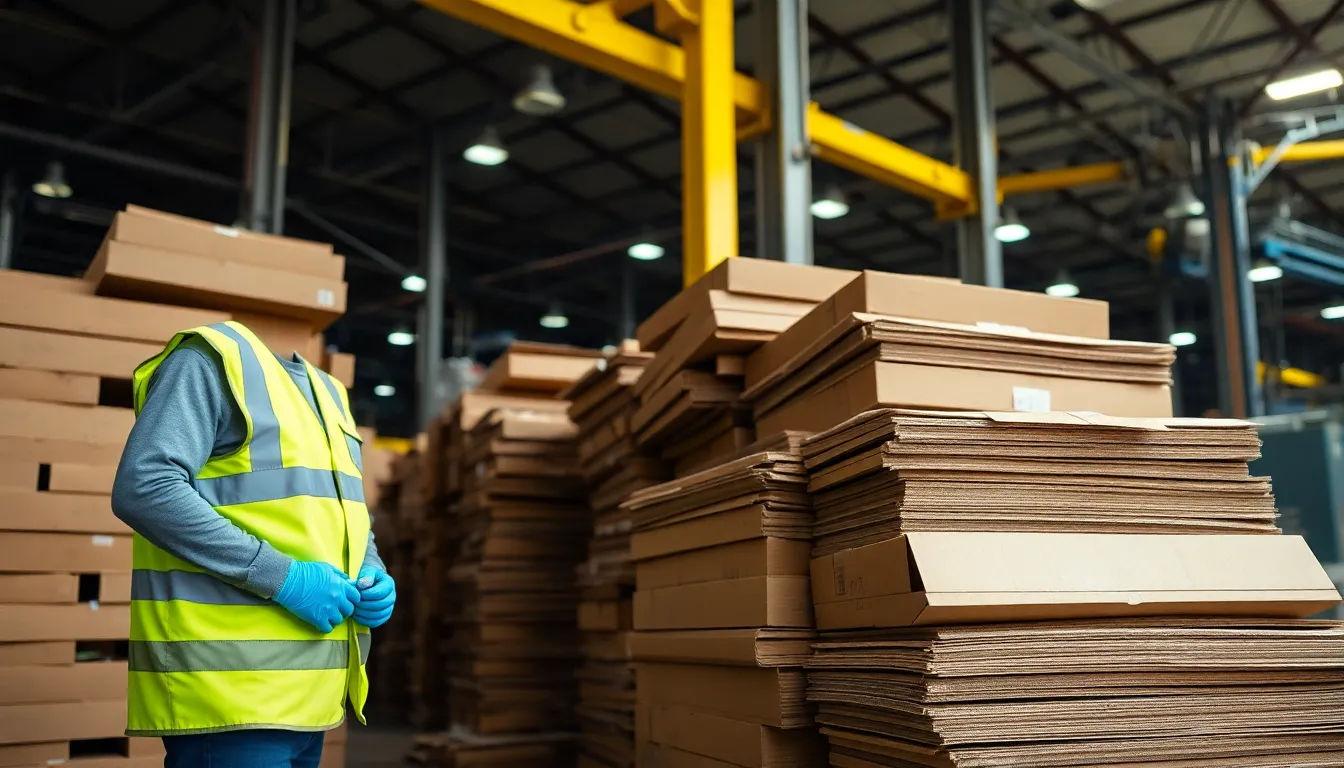
Cardboard box recycling offers numerous advantages that extend beyond individual actions. The practice promotes environmental sustainability and economic efficiency.
Environmental Impact
Recycling cardboard significantly reduces landfill waste, which accounts for about 30% of total landfill contents. Each ton of recycled cardboard prevents the need for 1.17 tons of virgin materials, directly conserving trees and natural resources. Energy consumption also decreases due to less energy-intensive production processes. For instance, recycled cardboard requires 75% less energy compared to producing new cardboard. Additionally, recycling aids in cutting greenhouse gas emissions, contributing to an overall reduction in climate change effects. Wildlife habitats benefit as fewer trees are cut down, supporting biodiverse ecosystems.
Economic Advantages
Studying the economic impacts reveals substantial benefits. Recycling cardboard creates approximately 2.5 times more jobs than landfilling it. This job creation stimulates local economies, bolstering community development. Manufacturers save money on raw materials, leading to lower product prices for consumers. Furthermore, recycling programs can generate revenue through the sale of recycled materials, providing essential funds for local initiatives. Restructuring waste management services to prioritize recycling often results in decreased disposal costs, enhancing budget efficiency for municipalities.
The Recycling Process
The cardboard recycling process involves several critical steps. Understanding this process helps reinforce the importance of recycling cardboard efficiently.
Collection and Transportation
Collection begins at various sources like homes and businesses. Local recycling programs and drop-off centers facilitate the gathering of cardboard. Trucks transport the collected cardboard to recycling facilities. Efficient collection minimizes contamination across materials, promoting better recycling outcomes. Each year, the United States recycles over 25 million tons of cardboard, showcasing the scale of this initiative.
Sorting and Preparation
Sorting takes place as soon as the cardboard reaches the facility. Workers manually or mechanically separate cardboard from other recyclables and contaminants. This step ensures the purity of recycled materials before processing. Shredding occurs next, breaking cardboard into smaller pieces. Proper preparation enhances the efficiency of the subsequent stages in the recycling process, ultimately leading to higher-quality end products.
Reprocessing into New Products
Reprocessing transforms shredded cardboard into pulp. This pulp undergoes treatment with water and chemicals to create a slurry. Manufacturers use this slurry to produce new cardboard products or paper. Utilizing recycled materials saves energy significantly, as producing new cardboard requires 75% less energy. Recycled cardboard helps mitigate the need for virgin materials, reinforcing the circular economy and conserving natural resources.
Challenges in Cardboard Box Recycling
Cardboard box recycling faces several challenges that impact its effectiveness and efficiency.
Contamination Issues
Contamination in the recycling stream poses a significant problem. When cardboard boxes contain food residues, plastics, or non-recyclable materials, the entire batch risks being deemed unusable. Current estimates suggest that contaminated cardboard can lead to processing errors, which may increase operational costs for recycling facilities. Many recycling centers require clean, dry materials to adequately process the cardboard. If contamination levels exceed acceptable limits, facilities may reject entire shipments, resulting in more waste headed to landfills.
Consumer Awareness
Increasing consumer awareness remains crucial in improving recycling rates. Many individuals remain unaware of the specific requirements for recycling cardboard. Education initiatives focusing on proper disposal practices can enhance participation in recycling programs. It’s essential to inform consumers about the importance of cleaning cardboard before placing it in recycling bins. Campaigns aimed at clarifying what can and cannot be recycled can empower individuals to make informed choices, ultimately leading to higher quality recyclable materials and reduced contamination rates.
Embracing cardboard box recycling is a powerful way to contribute to a more sustainable future. By participating in recycling efforts individuals can make a significant impact on reducing waste and conserving valuable resources. The process not only helps protect the environment but also boosts local economies and creates jobs.
As awareness grows about the importance of proper recycling practices addressing contamination issues becomes crucial. Educating oneself and others about the correct methods can enhance recycling efficiency and effectiveness. Every small action counts in the journey towards a greener planet. By making informed choices individuals can help ensure that cardboard is recycled properly and contributes to a healthier environment for generations to come.

