
Living in an apartment doesn’t mean you have to sacrifice your eco-friendly dreams. Imagine turning your kitchen scraps into nutrient-rich compost while avoiding the dreaded landfill overflow. Apartment composting is the secret weapon for urban dwellers looking to make a difference without needing a backyard or a PhD in gardening.
You might think composting is reserved for those with sprawling gardens and a passion for worms, but think again! With a little creativity and the right tools, anyone can transform their waste into garden gold. So grab your banana peels and coffee grounds, because it’s time to dive into the world of apartment composting—where sustainability meets convenience and maybe even a little humor along the way. Who knew saving the planet could be this fun?
Understanding Apartment Composting
Apartment composting allows urban residents to recycle kitchen scraps efficiently. It turns organic waste into nutrient-rich compost without the need for outdoor space.
What Is Apartment Composting?
Apartment composting involves collecting food scraps, yard waste, and other biodegradable materials in a designated container. That container can be a small bin, a worm farm, or an indoor composting system. This technique transforms waste into compost through aerobic and anaerobic processes. Each method offers unique benefits, making apartment composting accessible and manageable for anyone.
Benefits of Apartment Composting
Apartment composting provides numerous advantages, enhancing sustainability efforts. It reduces landfill contributions, cutting down on methane emissions produced by decomposing waste. Nutrient-rich compost improves soil health, benefiting plants and gardens. Apartment composting saves money by decreasing disposal fees and provides an educational opportunity for residents. Engaging in composting builds community awareness of eco-friendly practices and fosters a sense of responsibility toward the environment.
Choosing the Right Composting Method
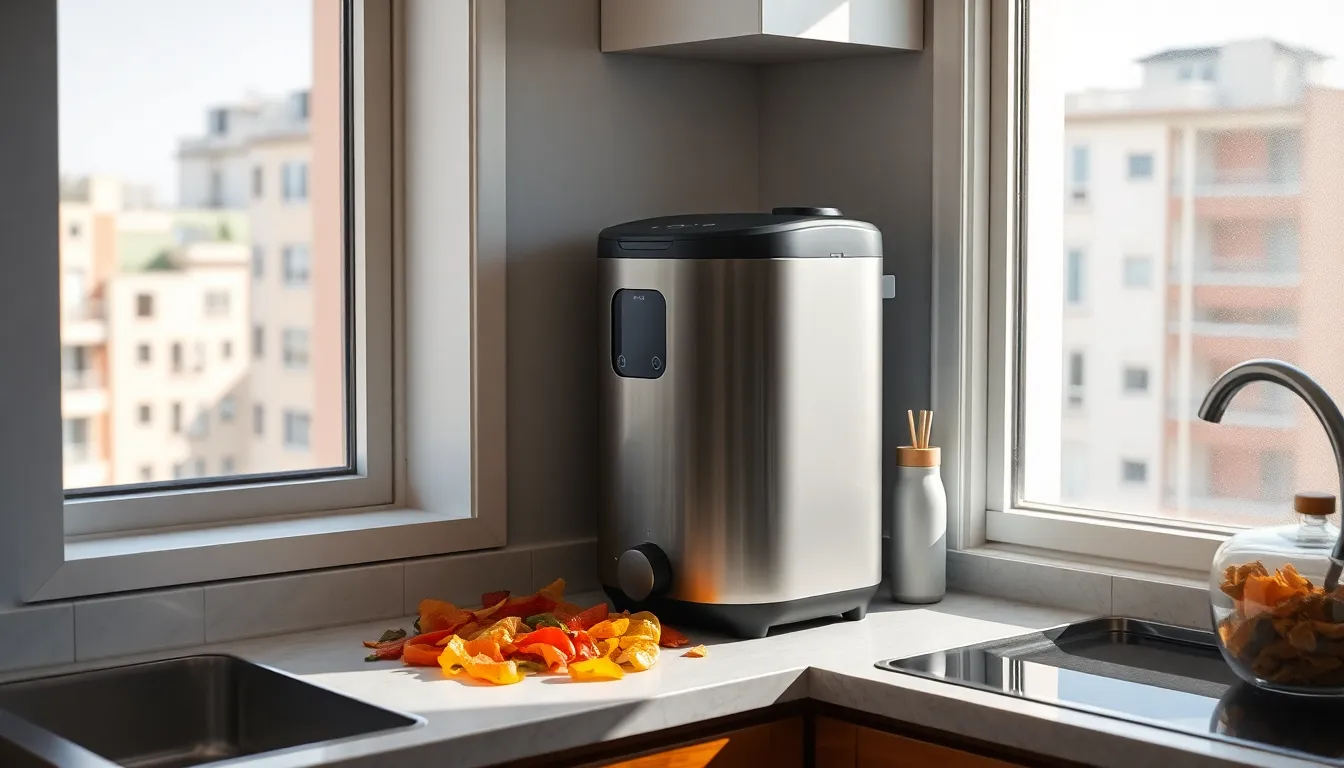
Selecting the appropriate composting method enhances the success of apartment composting. Several options cater to different lifestyles and available space.
Worm Composting (Vermicomposting)
Worm composting uses red wigglers to break down food scraps. These worms thrive on kitchen waste, turning it into nutrient-rich compost in a small bin. Managing a worm bin requires minimal space and is relatively odor-free when maintained correctly. The process is fast, allowing compost production within weeks. Another benefit includes reduced food waste, which contributes to sustainability efforts.
Bokashi Composting
Bokashi composting employs a fermentation process to break down organic matter. This method uses an inoculated bran to promote anaerobic digestion, making it suitable for small apartments. Users can compost a diverse range of materials, including meat and dairy, which traditional methods often exclude. The Bokashi bin contains odors, making it ideal for kitchen use. After fermentation, users bury the pre-compost in soil for further breakdown, enriching garden soils later on.
Electric Composters
Electric composters offer an innovative solution for apartment dwellers. These devices accelerate composting through heat and aeration, producing compost in as little as three hours. Their compact size fits well in kitchens, and they often include odor control features. Operating these machines is simple, requiring minimal maintenance. Users can dispose of a wide variety of kitchen scraps, contributing to less waste in landfills.
Setting Up Your Apartment Composting System
Setting up an apartment composting system requires a thoughtful approach. Choosing the right location and gathering necessary supplies can simplify the process and enhance efficiency.
Selecting the Right Location
Identifying a suitable spot for the composting system is crucial. Look for an area with good ventilation, away from direct sunlight, and where odors won’t disturb neighbors. Balconies or kitchen corners often serve as ideal spaces. Ensure easy access for adding scraps and monitoring the composting process. Space limitations may necessitate compact setups like worm bins, which fit neatly in tight areas.
Necessary Supplies and Tools
Gathering essential supplies and tools streamlines the composting process. Start with a compost bin or container designed for apartment use. Small containers work well for kitchen scraps, while larger bins can hold more material. Include an aeration tool like a garden fork to mix compost and promote airflow. Keep brown materials, such as dry leaves or cardboard, on hand to balance the carbon-to-nitrogen ratio. A compost thermometer can assist in monitoring temperature, ensuring optimal decomposition.
Maintenance Tips for Successful Composting
Maintaining an effective composting system requires attention to detail and consistency. Regular practices ensure that composting remains efficient and odor-free.
Regular Feeding and Watering
Feeding the compost regularly involves adding kitchen scraps and other materials in measured amounts. It’s vital to maintain a balanced ratio of brown materials, like dried leaves or shredded paper, and green materials, such as vegetable peels and coffee grounds. Watering the compost whenever it starts to feel dry supports decomposition. Moisture is essential for microorganisms to thrive. Checking the bin weekly can help monitor the moisture level and adjust as needed. Fluffing the compost occasionally also aids in aeration, promoting faster breakdown of materials.
Managing Odors and Pests
Managing odors in apartment composting systems requires vigilance and proper practices. Ensuring a good balance of materials significantly reduces unpleasant smells. If odor occurs, checking for excess moisture or lack of aeration may solve the issue. Adding a layer of brown materials can help absorb odors. Pests can become a concern if composting isn’t properly maintained. Sealing the compost bin can deter flies, while burying food scraps prevents attracting unwanted critters. Regularly inspecting the bin and adjusting setups as necessary keeps composting clean and effective.
Common Challenges and Solutions
Apartment composting presents unique challenges, but solutions exist to overcome them effectively.
Space Limitations
Limited space can restrict composting options in apartments. Using small bins like countertop composters helps maximize available areas. Compact vermicomposting systems fit easily under sinks or in closets. Storing compost materials can occur in a designated container, preventing mess and odors. Utilizing vertical gardening techniques or stacked compost bins can further optimize small spaces. Some electric composters require minimal footprint, providing convenience for busy residents. It’s important to explore various methods that suit space constraints while ensuring successful composting.
Dealing with Fruit Flies
Fruit flies often pose challenges for composters. Maintaining proper ventilation in compost bins helps deter these pests. Adding a layer of browns like shredded paper or dry leaves on top of food scraps can reduce exposure. Sealing containers tightly prevents flies from accessing food remnants. Regularly emptying bins and cleaning them ensures hygiene, minimizing breeding ground for insects. Using traps, such as vinegar or wine in open containers, attracts and captures flies effectively. Implementing these strategies keeps the composting environment clean and free of unwanted pests.
Apartment composting is an empowering way for urban residents to make a positive environmental impact. By transforming kitchen scraps into nutrient-rich compost, individuals can contribute to sustainability while enjoying the process. The variety of methods available makes it easy for anyone to find a solution that fits their lifestyle and space constraints.
With the right tools and a bit of creativity, composting can become a rewarding part of daily life. As more people embrace this practice, the collective effort not only reduces waste but also fosters a greater awareness of eco-friendly habits within communities. Apartment composting proves that even in the hustle and bustle of city living, there’s always room for greener choices.

