
In a world drowning in plastic and overflowing with waste, the recycling business isn’t just a trend—it’s a superhero in disguise. Picture this: turning yesterday’s trash into tomorrow’s treasures while saving the planet. Who wouldn’t want to be a part of that?
Starting a recycling business isn’t just good for Mother Earth; it’s a savvy way to cash in on a growing market. With consumers becoming eco-conscious faster than you can say “reduce, reuse, recycle,” there’s never been a better time to dive into this green goldmine. So grab your cape and let’s explore how recycling can transform not only the environment but also your entrepreneurial dreams.
Overview of Recycling Business
Recycling businesses play a crucial role in managing waste and conserving resources. They focus on collecting, processing, and reselling materials like paper, plastic, and metals. The overall recycling industry is valued at $49.2 billion in 2021 and is projected to reach $70.1 billion by 2028, reflecting a growth rate of 5.4% annually.
Many entrepreneurs enter this market due to increasing consumer demand for sustainable products. Businesses that adopt eco-friendly practices often attract more customers, contributing to both profitability and environmental health. The growth of various sectors such as e-commerce and construction generates additional waste, creating opportunities for recycling companies to capitalize on.
Financial incentives exist for starting a recycling business. Government grants and subsidies support initiatives that reduce waste and promote recycling. Additionally, the resale of recycled materials can yield significant profits. For instance, recycled aluminum engages in a profitable market due to its high demand in manufacturing.
Technology advances streamline processes in the recycling industry. Automated sorting systems improve efficiency and quality control, while apps enhance consumer engagement by providing information on recycling locations. These innovations not only facilitate growth but also increase operational effectiveness.
Collaborations with businesses also benefit recycling efforts. Partnerships with manufacturers lead to the use of recycled materials in production, creating a circular economy. Community engagement initiatives raise awareness and boost participation in recycling programs, fostering an environmentally conscious society.
Ultimately, the recycling business thrives on innovation, collaboration, and consumer awareness, highlighting its potential as a lucrative venture that positively impacts the environment.
Types of Recycling Businesses
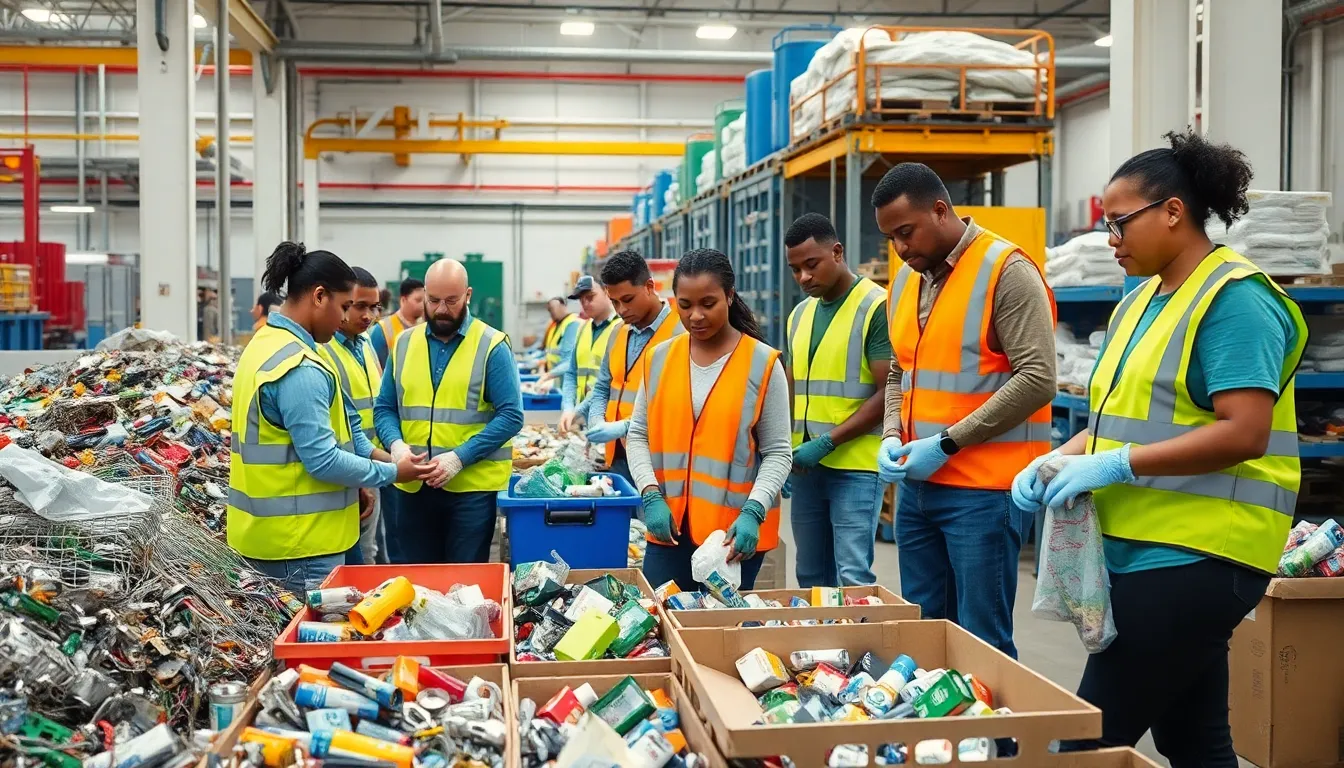
Recycling businesses vary significantly in their focus and operations. Each type targets specific materials or sectors, contributing to waste reduction and resource conservation.
Industrial Recycling
Industrial recycling deals with large quantities of waste produced by manufacturing processes. Companies in this sector often handle materials like metals, plastics, and paper. They collect scrap materials from factories and convert these into reusable resources. With the recycling industry valued at $49.2 billion in 2021 and projected to soar to $70.1 billion by 2028, industrial recycling plays a crucial role in enhancing manufacturing efficiency and driving environmental sustainability. By doing so, these businesses not only minimize waste but also reduce costs for manufacturers through the resale of recycled materials.
Residential Recycling
Residential recycling focuses on waste generated by households. Local municipalities typically manage this type of recycling, collecting common materials like glass, paper, and plastics. Residents separate recyclables from trash, making it easier for municipalities to process waste efficiently. With increasing consumer awareness about sustainability, residential recycling has grown significantly, encouraging communities to actively participate in reducing landfill waste. Successful residential programs can significantly improve recycling rates and community engagement, creating a more environmentally responsible society.
Electronic Waste Recycling
Electronic waste recycling addresses the growing volume of discarded electronics, such as computers and smartphones. This sector specializes in extracting valuable materials like precious metals and plastics from outdated devices. Since electronic waste accounts for about 50 million tons globally each year, effective recycling solutions alleviate environmental pollution and resource depletion. Companies engaged in this field often follow strict regulatory guidelines to ensure safe processing. Through proper recycling, hazardous materials are handled responsibly, and reusable components are redirected back into the manufacturing supply chain.
Benefits of Recycling Business
Recycling businesses contribute significantly to environmental sustainability and economic growth. Individuals and companies increasingly recognize the advantages of engaging in recycling efforts.
Environmental Impact
Recycling reduces the volume of waste sent to landfills, which helps lessen pollution and greenhouse gas emissions. By recycling materials like plastic, paper, and metals, natural resources are conserved. Reports indicate that recycling one ton of paper saves approximately 24,000 gallons of water and 4,100 kilowatts of electricity. Streamlining waste management processes through recycling fosters healthier ecosystems. Additionally, businesses that recycle often attract environmentally conscious consumers willing to support sustainable practices.
Economic Opportunities
The recycling industry reached a valuation of $49.2 billion in 2021 and is set to grow to $70.1 billion by 2028, with an annual growth rate of 5.4%. This growth presents lucrative opportunities for entrepreneurs in waste collection, processing, and resale. Selling recycled materials like aluminum can yield high profits, tapping into markets that prioritize sustainable products. Government grants and subsidies encourage recycling initiatives, further enhancing financial viability. The job market expands as the recycling sector evolves, creating diverse employment opportunities within the community.
Challenges in the Recycling Industry
Challenges exist in the recycling industry that can impact growth and sustainability. Market fluctuations pose significant difficulties for recycling businesses. Prices for recycled materials often vary, influenced by global demand and supply dynamics. When markets are unstable, companies may struggle to maintain profitability. For instance, the cost of recycled aluminum can drop unexpectedly, affecting overall revenue. Adaptation to these changing conditions becomes crucial for operational resilience.
Regulatory issues also create obstacles within the sector. Compliance with local and international regulations often demands substantial investment in infrastructure. Laws governing waste management and recycling practices can change frequently, leaving businesses scrambling to adapt. Non-compliance could lead to hefty fines or loss of operating licenses. Staying informed about legislation can mitigate these risks and support continued operations. Understanding both market fluctuations and regulatory issues is essential for thriving in the recycling industry.
Innovations in the Recycling Sector
The recycling sector experiences continuous advancements that enhance efficiency and sustainability. These innovations reshape how businesses operate and engage with the community.
Technology Advancements
Automation plays a crucial role in modern recycling operations. Advanced sorting technologies, such as vision systems and artificial intelligence, increase the accuracy of material identification and separation. Data analytics also improves decision-making processes regarding collection routes and market trends. Robots equipped with specialized arms can efficiently process various recyclable materials. Such integration reduces labor costs while boosting overall productivity. Moreover, consumer engagement apps promote recycling awareness among individuals, driving participation. Collectively, these advancements make recycling businesses more competitive in a growing market.
Sustainable Practices
Sustainable practices are becoming fundamental in the recycling industry. Implementing closed-loop systems minimizes waste by ensuring that materials are reused within the production cycle. Partnering with manufacturers to design for recyclability supports long-term environmental goals. It’s essential for businesses to educate consumers about the benefits of recycling. By promoting take-back programs, firms can recover materials and foster responsible consumption. Smaller operations within local communities also adopt zero-waste initiatives, showcasing the potential for impactful change. Focused efforts on sustainability can lead to positive economic and environmental outcomes for the entire sector.
The recycling business stands at a crucial intersection of environmental necessity and entrepreneurial opportunity. As awareness of sustainability grows among consumers the demand for effective recycling solutions will only increase. Entrepreneurs willing to engage in this sector can not only contribute to a healthier planet but also tap into a thriving market.
With advancements in technology and a supportive regulatory environment the potential for profitability is significant. By focusing on innovation and community involvement recycling businesses can create lasting impacts while addressing the pressing issues of waste management. Embracing this path offers a chance to lead the way in sustainable practices and economic growth.

